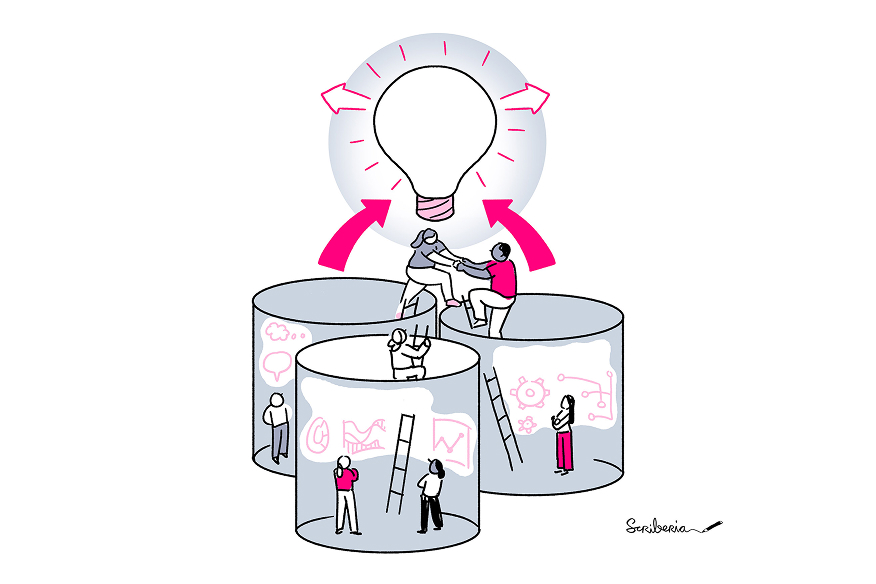
In January 2025, CalData launched the Data Science Community of Practice. It gathers data scientists to:
- Discuss common challenges,
- Share best practices, and
- Identify opportunities to support each other.
The community helps us understand the landscape of data science across the state. It also connects people who may work in silos. They have a safe space to ask questions, collaborate, and learn from each other.
Building the community
To make a roadmap for the community, we surveyed 18 data scientists in 9 departments. We asked about their interest in joining a community of practice. We asked them what tools they use, and their awareness of data science around the state.
What we learned
Many people said they were the only data scientist in their department. Only a few felt up-to-date on data science practices across the state.
Everyone had a strong technical background. They used the Python or R data programming languages. They were familiar with advanced analysis methods.
Many cited a lack of management support for innovation, hiring, or building partnerships. (A recent policy brief from Stanford University echoes these themes.)
A common technical concern was a lack of computational resources. Another was limited access to open source software.
Data scientists share these challenges with other government workers. The state employees report from Engaged California had similar insights.
Meeting and sharing
The community met quarterly. Meetings covered:
- How to convince teams, leaders, and stakeholders of the value of data science
- Examples of A/B testing, including differences between industry and the public sector
- Strategies to create a better culture (like these at the State Water Board)
- Understanding how machine learning models work (like for high stakes decisions)
Members learn from each other through:
- Large group discussions
- Breakout rooms and presentations
- Lightning talks
- Resource sharing
- Talking about problems and possible solutions
After the first year, the community grew from 18 data scientists to 40. Each meeting spurred an exchange of ideas across disciplines. Discussions helped people make real improvements to persistent issues they faced.
Next steps
Like other government employees, data scientists at the state wear many hats. Everyone in our group has both acted as a data engineer and developed policy.
In 2026, we’re moving forward with a broader Data Science Community of Practice for the state. It will include data scientists, data engineers, and data governance staff. This is part of the California Statewide Data Strategy for 2026-2027 (Goal 3, Objective 10). The community will meet quarterly. It will also have a virtual space for people to connect and share resources.
We’re excited to help the state’s data community continue to grow. We look forward to helping them solve the state’s many data challenges.If you’d like to know more about the Data Science Community of Practice, sign up for the CalData Newsletter.